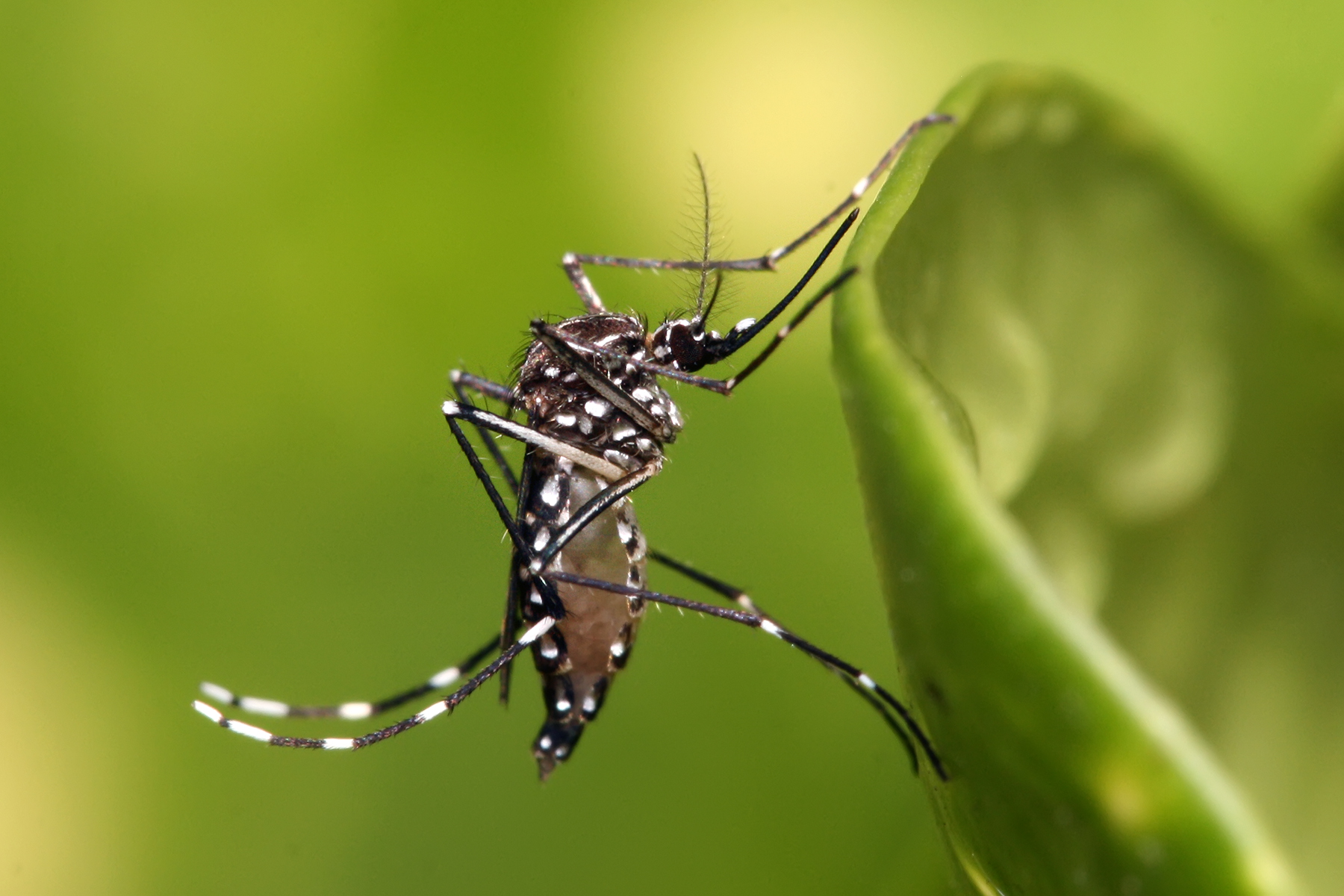
Insect bites and stings are extremely common, especially in the summer months, and the great majority are harmless. What matters most is being able to tell apart two things that look equally dramatic but are not equally dangerous: a large local swelling around the bite itself, and an allergic reaction that spreads to the rest of the body.
In this article we explain what different bites and stings look like, how to treat them at home, when a sting is an emergency, what to do about wasp, bee and tick bites, and how to avoid being bitten in the first place.
What are insect bites and stings?
Insect bites and stings occur when the mouthparts or sting of insects and other small creatures are used against the skin. Mosquitoes, flies, ants, bedbugs, wasps and bees are insects, while ticks and spiders are arachnids — but the reaction in the skin is similar. Some insect bites settle on their own within a few days, while others need treatment.
Why does a mosquito bite itch?
A mosquito injects saliva into the skin to keep the blood flowing while it feeds. The immune system reacts to the proteins in that saliva by releasing histamine, and it is the histamine — not the puncture itself — that produces the red, swollen, itchy weal. The reaction is closely related to urticaria (hives), which is why antihistamines help with the itch.
What do insect bites look like?
Insect bites typically appear as small, red, swollen bumps on the skin. The most common types in Denmark:
- Mosquito bites: Small, round, itchy red bumps that appear within minutes and fade over a couple of days.
- Bedbug bites: Red, itchy welts, often in lines or clusters on the arms, shoulders and other areas left uncovered at night.
- Ant bites: Danish ants spray formic acid and cause a brief sting and a small red mark. They do not produce the small pustule seen after fire ant stings, and fire ants do not occur in Denmark.
- Wasp and bee stings: A sharp, burning pain followed within minutes by a tender, warm swelling around the puncture site.
- Tick bites: Rarely painful. The tick stays attached to the skin and there may be a small red mark around it. Ticks can transmit the Borrelia bacterium, which is widespread in Denmark.
What is the difference between a large local reaction and an allergic reaction?
This is the single most useful distinction with insect stings — and the one that decides whether you can stay at home or need to call for help.
Large local reaction
The swelling spreads outwards from the sting itself and can exceed 10 cm across — sometimes a whole forearm or foot swells. It peaks after 24–48 hours and can last up to a week. It looks alarming, but it is not dangerous, and it does not mean you are developing an allergy. Treatment is cooling, elevation, over-the-counter antihistamines and, if needed, hydrocortisone cream.
Systemic (allergic) reaction
Here the symptoms appear away from the sting site: hives elsewhere on the body, swelling of the lips, face or throat, wheezing, stomach cramps, vomiting, dizziness or fainting. This is the body reacting to the venom as a whole, and it can progress to anaphylaxis within minutes. Symptoms away from the sting site are always serious, however small the sting itself looks.
When is an insect sting an emergency?
Call 112 immediately if you have any of these
This is anaphylaxis, a life-threatening allergic reaction:
- Difficulty breathing, wheezing or a tight feeling in the throat
- Swelling of the face, lips, tongue or throat
- A hoarse voice or difficulty swallowing
- Widespread hives or itching away from the sting site
- Dizziness, faintness or collapse
- Nausea, vomiting or stomach cramps after a sting
If you have been prescribed an adrenaline auto-injector (EpiPen or Jext), use it straight away — into the outer thigh — and still call 112, because symptoms can return after the first dose.
What should you do about wasp and bee stings?
In Denmark, wasps and bees are the dominant cause of severe allergic reactions to insect venom. A honeybee leaves its sting and venom sac behind in the skin, while wasps and bumblebees can sting repeatedly without leaving anything behind.
If a sting is left in the skin it should be removed promptly — the longer it stays, the more venom is pumped in. Scrape or flick it out with a fingernail or the edge of a card. Do not squeeze the venom sac with your fingers or with tweezers, as that pushes the remaining venom into the skin. Then wash the area and cool it with a cold compress.
What if you have had a severe reaction before?
If you have had a systemic reaction to a wasp or bee sting even once, you should be referred to an allergy specialist. Blood tests and skin testing can establish which venom you react to, and venom immunotherapy is a well-documented treatment that removes the risk of another severe reaction in the great majority of people. Until then you should carry an adrenaline auto-injector and know how to use it.
How do you remove a tick correctly?
Grip the tick with fine tweezers or a tick remover as close to the skin as possible and pull straight out with steady pressure. Do not twist, and do not use fire, alcohol, oil or cream to smother it — that makes the tick regurgitate into the wound. Wash the skin afterwards. The sooner the tick comes off, the lower the risk of infection.
Watch the bite site for 3–30 days afterwards. The classic early sign of Lyme disease is erythema migrans: a red ring or patch that slowly spreads to more than 5 cm across, often with a paler centre, and which usually neither itches nor hurts. It needs antibiotic treatment — contact your doctor. A red, hot, tender swelling that spreads quickly over hours is more likely to be cellulitis and also needs to be seen the same day.
How do you treat an insect bite at home?
Clean and cool
Wash the area with soap and water and apply a cold, damp cloth or an ice pack wrapped in a towel for 10–15 minutes. Cold reduces both swelling and itch.
Over-the-counter antihistamines
Antihistamine tablets reduce itch and swelling and are particularly useful with many bites at once or with a large local reaction.
Hydrocortisone cream
A mild over-the-counter steroid cream can be used for a few days on itchy bites. Avoid it on the face and over large areas without medical advice.
Do not scratch
Scratching is the biggest risk factor for infection, because fingernails carry bacteria into the skin. Keep a child's fingernails short and cover the bite if they cannot leave it alone.
When has a bite become infected?
An ordinary bite is at its most red and swollen in the first 24 hours and improves after that. If instead it becomes redder, hotter and more tender after 48 hours, or develops pus, fever or red streaks running away from it, that is an infection — cellulitis or impetigo — and you should contact a doctor the same day.
How can you avoid insect bites?
- Repellent with DEET or icaridin: Both work against mosquitoes and ticks. Icaridin (picaridin) smells less and is better tolerated on children's skin, while DEET at higher strength lasts longest.
- Permethrin-treated clothing: For longer periods in tall grass or woodland, clothing impregnated with permethrin protects against ticks. It is applied to the clothing, not to the skin.
- Cover your skin: Long sleeves, long trousers tucked into socks and light-coloured clothing all help — especially at dusk, when mosquitoes are most active.
- Check for ticks: Go over the skin the same evening after being outdoors — including the scalp, armpits, groin and behind the knees, where ticks like to attach.
- Avoid strong perfume: Avoid strong perfume, which can attract insects, and keep sweet drinks covered outdoors — wasps crawl down into open cans.
- Do not swat at wasps: Stand still or walk away calmly. Sudden movements are what make wasps sting.
Medical classification: Cutaneous insect bite reactions are coded EK50.0 in ICD-11, the WHO International Classification of Diseases, with subcodes for papular urticaria and bullous and persistent reactions. Allergic skin reactions to wasp and bee venom are classified separately as 4A85.31.
Frequently asked questions
What are insect bites and stings?
Insect bites and stings are the skin reaction to the mouthparts or sting of insects and other small creatures such as mosquitoes, flies, ants, bedbugs, wasps, bees, ticks and spiders. Some leave only saliva in the skin, while wasps and bees inject venom. Either can cause itching and swelling — and, rarely, a severe allergic reaction.
What do insect bites look like?
Insect bites typically appear as small, red, swollen bumps that can itch, hurt or both. Mosquito bites are small, round and itchy. Bedbug bites often appear in lines or clusters. A wasp or bee sting causes a sharp pain and rapid, tender swelling around the puncture site.
Who is affected by insect bites?
Anyone can be bitten or stung. Risk rises with time outdoors in woodland, tall grass and gardens, time near water in summer, and unprotected skin. People who have previously had a systemic allergic reaction to wasp or bee venom are at greatest risk of a severe reaction to the next sting and should be referred to an allergy specialist.
What should I remember about insect bites?
Most bites and stings are harmless and settle within a few days: clean with soap and water, cool with a cold compress, and use over-the-counter antihistamines or hydrocortisone cream for itching. Large swelling around the bite itself is uncomfortable but not dangerous. If you get symptoms away from the bite site — difficulty breathing, swelling of the face, lips, tongue or throat, widespread hives or dizziness — that is anaphylaxis, and you should call 112 immediately.
Get help for insect bites that are not settling
For a bite or sting that stays red, swollen or itchy for more than a few days, or that looks like it may be infected, you can get an assessment from a certified dermatologist via the SKIND app. If you have any sign of a severe allergic reaction — difficulty breathing, swelling of the face, lips, tongue or throat, dizziness or faintness — call 112 immediately. Do not wait for an app assessment.
Download the appDisclaimer: This article is for informational purposes only and does not replace professional medical advice. Always consult a doctor or dermatologist for personal guidance and assessment of skin changes.