What is Rosacea? Causes, Symptoms and Treatment
SkinChange.AI
Medical editorial team
Rosacea is a chronic skin condition affecting millions of people worldwide — primarily fair-skinned adults. It is characterised by persistent facial redness, visible blood vessels and sometimes bumps that are easily mistaken for acne.
In this article, we explain exactly what rosacea is, what causes it, who is at risk, and what can be done about it.
What is rosacea?
Rosacea (ICD-11: ED90.0) is a chronic inflammatory skin condition that primarily affects the face. It causes redness, visible blood vessels and sometimes bumps or pustules. Although the condition is not contagious, it can be persistent and frustrating for those affected.
Rosacea is often confused with acne, sunburn or general flushing — but it is a distinct condition that requires specific management. Left untreated, it can worsen over time.
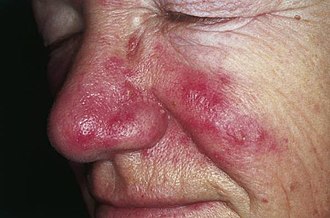
What does rosacea look like?
Rosacea can vary in severity and appearance from person to person. The most common signs are:
- Flushing and redness of the central face: The first and most frequent sign — the cheeks and nose area become red. The flushing may come and go initially, but over time can become permanent.
- Visible blood vessels (telangiectasia): Thin, red thread-like veins on the cheeks and nose. These occur because the superficial blood vessels dilate persistently.
- Red bumps and pustules: Small, red papules (bumps) that can resemble acne, and in some cases pustules containing pus. These are caused by skin inflammation.
- Rhinophyma (thickening of the nose): In rare, untreated cases the skin on the nose can become thick and bumpy. This is seen primarily in men.
- Eye irritation (ocular rosacea): Burning, dry and bloodshot eyes can occur in up to 50% of rosacea patients — and can sometimes appear before the skin signs.
Why does rosacea happen?
The exact cause of rosacea is not yet fully understood, but research points to a combination of factors:
Overactive blood vessels in the face
The blood vessels in the face dilate easily in rosacea, causing the characteristic redness and flushing. This reaction can be triggered by heat, exercise, alcohol, spicy food and emotional stress.
Inflammation and immune responses
Triggers such as sunlight, certain foods and skin mites (Demodex) can activate the immune system and create an inflammatory reaction in the skin. Demodex mites, which live naturally in hair follicles, are found in higher numbers in rosacea patients.
Genetics and gut bacteria
Rosacea runs in families, suggesting a genetic predisposition. Research also indicates that imbalances in gut bacteria may play a role — a connection with Helicobacter pylori infection has been identified in particular, though research is ongoing.
Who gets rosacea?
Rosacea does not strike randomly — certain groups are more susceptible than others:
- Fair skin and light eyes/hair: Rosacea is most prevalent in people of Celtic and Northern European descent with fair skin. Scandinavians and Irish people are statistically at higher risk.
- Adults between 40 and 50 years old: Although rosacea can occur at any age, it is most frequent in adults in this age group. Women are affected more often than men, but men typically develop more severe forms.
- Family history of rosacea: If one or both parents have rosacea, the risk of developing the condition yourself is markedly increased.
What can you do about rosacea?
Rosacea cannot be cured, but its symptoms can be effectively managed with the right treatment and lifestyle changes:
💊 Topical medications
Metronidazole cream and azelaic acid are the most commonly used prescription topical treatments. They reduce inflammation, redness and bumps.
🩺 Oral antibiotics
Antibiotics such as doxycycline are used in moderate to severe cases, primarily for their anti-inflammatory effect rather than their antibacterial action.
✨ Laser therapy
Pulsed light (IPL) and laser treatments can reduce visible blood vessels and persistent redness. It is an effective complement to medical treatment.
🌿 Gentle skincare
Avoid harsh cleansers and scrubs. Use gentle, fragrance-free products and a good sunscreen (SPF 30+) — sunlight is one of the most common triggers.
🚫 Identify and avoid triggers
Common triggers include spicy food, alcohol, hot drinks, intense temperature changes, stress and certain skincare products. Keep a diary to map your personal triggers.
Medical classification: Rosacea is classified as ED90.0 in the WHO's International Classification of Diseases (ICD-11). It is characterised by chronic facial erythema and sometimes papules or pustules. Managed with topical metronidazole, azelaic acid and oral antibiotics.
Frequently asked questions
Is rosacea dangerous?
Rosacea is not life-threatening, but left untreated it can worsen over time and significantly affect self-confidence and quality of life. Ocular rosacea can in rare cases damage vision if left untreated.
Can rosacea be confused with acne?
Yes, rosacea bumps resemble acne, but there are important differences: rosacea is typically accompanied by redness and flushing, is centred on the nose and cheeks, and there are no blackheads. Acne products can worsen rosacea, so correct diagnosis is important.
When should I contact a dermatologist?
Contact a dermatologist for persistent facial redness, visible blood vessels, acne-like bumps, or irritated eyes without an obvious cause. The earlier treatment begins, the better the symptoms can be kept under control.
Get a diagnosis within 48 hours
Upload photos of your skin via the SKIND app and receive a personal diagnosis and treatment plan from a certified dermatologist — no hospital waiting list.
Disclaimer: This article is for informational purposes only and does not replace professional medical advice. Always consult a dermatologist for personal guidance.