What are genital warts (HPV)? Causes, symptoms and treatment
SkinChange.AI
Medical editorial team
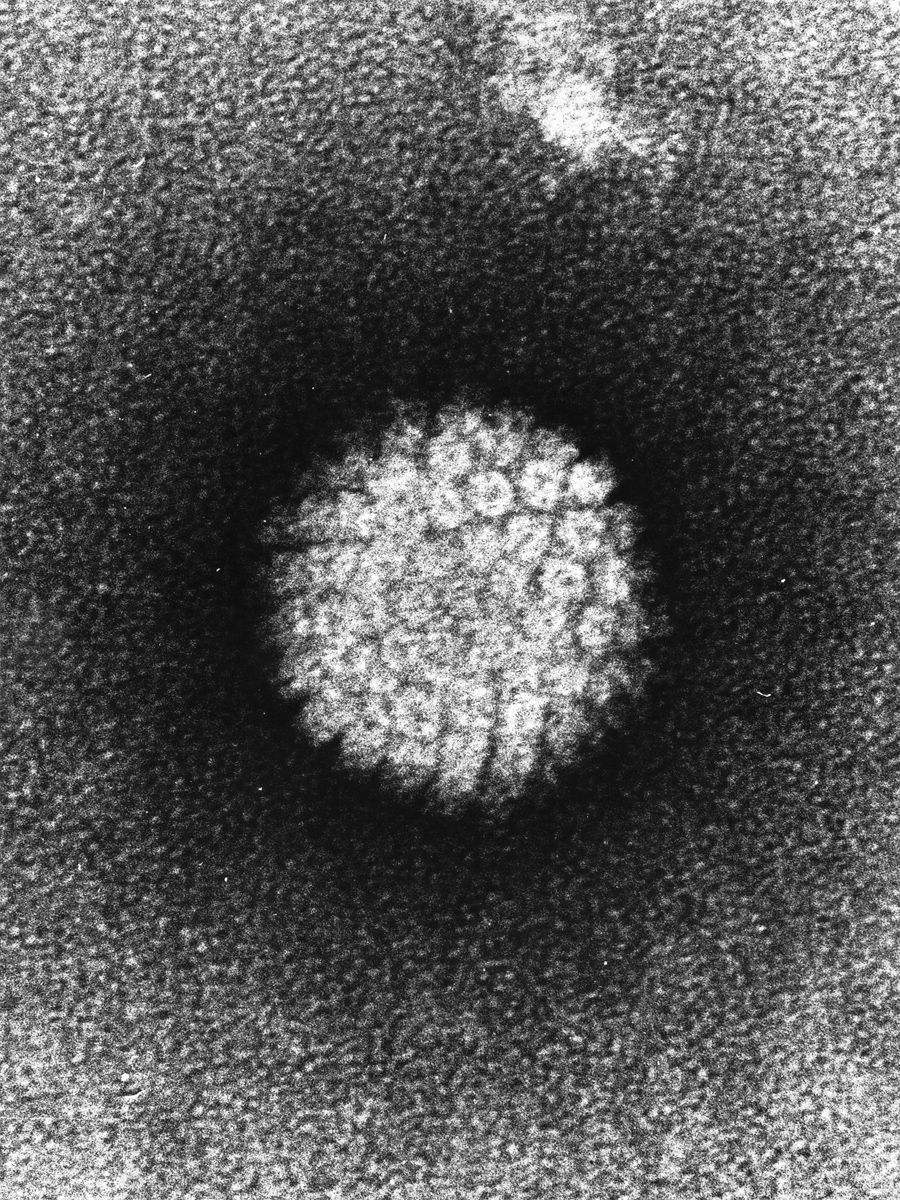
Genital warts (condylomata acuminata) are one of the most common sexually transmitted infections in the world. They are caused by the human papillomavirus (HPV) — almost always types 6 and 11, which are not the types that cause cancer. The warts themselves are harmless, but they are often distressing, and any new lump in the genital area deserves to be examined rather than guessed at.
In this article we explain what genital warts are, who gets them, how HPV spreads, what treatments exist — including which ones must not be used in pregnancy — and how vaccination has changed the picture in Denmark.
What are genital warts?
Genital warts, also called condylomata acuminata, are small, fleshy growths or bumps that appear on or around the genitals and anus, and more rarely in the mouth or throat. They are caused by infection with the human papillomavirus (HPV).
HPV is an umbrella term for more than 200 related viruses, of which about 40 can affect the genital area. HPV types 6 and 11 account for around 90% of all cases of genital warts and are categorised as low-risk types.
Who gets genital warts?
Genital warts are above all an infection of younger people. Incidence peaks between the ages of 20 and 24 in both sexes, and around one in ten people develops them at some point in life. Almost everyone who has been sexually active has been exposed to HPV, but in most people the immune system clears the virus within one to two years without any visible warts ever appearing.
Since HPV vaccination was introduced, case numbers have fallen sharply in Denmark. In the first vaccinated cohorts of girls, genital warts fell by well over half, and rates have dropped among unvaccinated young men as well through herd protection — an effect that has strengthened since boys were included in the programme.
How does HPV spread?
HPV is primarily transmitted through:
- Vaginal intercourse
- Anal intercourse
- Oral sexual activities
- Close skin-to-skin contact in the genital area (not necessarily intercourse)
HPV can be transmitted even when an infected person has no visible warts. Condoms reduce the risk but do not give full protection, because warts can sit on skin the condom does not cover.
What do genital warts look like?
Genital warts often appear as:
- Small, flat, flesh-coloured or greyish bumps
- Small, cauliflower-like growths
- Single warts or clusters of warts
- Itching, discomfort or slight bleeding, especially after intercourse
The incubation period — the time from infection to visible warts — ranges from about 3 weeks to 8 months, with a median of around 2–3 months. That means you can rarely work backwards from the warts to when, or from whom, you caught the virus. Many people never develop visible warts at all despite HPV infection.
Do genital warts cause cancer?
No — not the warts themselves. HPV types 6 and 11, which cause around 90% of genital warts, essentially never cause cancer. Cancers of the cervix, anus, penis, vagina, vulva and oropharynx are caused by the high-risk types, principally HPV 16 and 18, and infection with a high-risk type is a separate event from having warts. Having genital warts therefore does not mean your warts may turn into cancer.
What genital warts do tell you is that you have had the kind of contact through which the high-risk types also spread. It is therefore a good moment to make sure you are up to date with cervical screening and to have a full sexual health screen.
How are genital warts diagnosed?
Genital warts are usually recognised by clinical examination. A doctor may use a magnification instrument, and in women a colposcope can be used to examine the vagina and cervix. Where there is doubt, a tissue sample is taken.
A photograph cannot do that job. It cannot rule out condyloma lata — the flat, moist lesions of secondary syphilis, which look similar but mean an entirely different diagnosis and treatment. Nor can it reliably separate genital warts from molluscum contagiosum, from herpes simplex, from normal anatomical variants such as pearly penile papules and vestibular papillomatosis, from the pre-cancerous changes known as VIN, PIN and AIN, or from the rare verrucous carcinoma. Any new lesion in the anogenital area should therefore be examined in person, with a full sexual health screen offered at the same time.
A photo assessment can tell you whether a lesion looks concerning enough to be seen in person, and how quickly. It cannot rule out cancer. A suspicious lesion needs examination and, if there is any doubt, removal for laboratory analysis.
Genital warts in a child before puberty are a different matter. They require a safeguarding assessment by a specialist team — not treatment alone.
How are genital warts treated?
Genital warts often clear on their own within one to two years as the immune system gains control of the virus. Many people still choose treatment, to be rid of the visible warts and the discomfort. No treatment removes HPV itself, which is why warts can return afterwards.
Treatments you apply yourself
- Imiquimod (Aldara): A cream that prompts the immune system to attack the virus. Usually applied three times a week for up to a few months.
- Podophyllotoxin: A solution or cream that destroys the wart tissue. Used in short cycles of a few days with breaks in between.
- Sinecatechins: An ointment made from green tea extract, applied three times daily until the warts have gone.
Treatments done in the clinic
- Cryotherapy: Freezing the warts with liquid nitrogen, usually repeated every one to two weeks.
- Trichloroacetic acid (TCA): An acid applied by a clinician that burns the wart tissue away. It can be used during pregnancy.
- Surgical removal: Removal with scissors, a curette or a scalpel under local anaesthesia.
- Electrosurgery and laser: The warts are burned away with an electric current or laser light. Used particularly for extensive or hard-to-reach warts.
⚠️ Treatment during pregnancy
Podophyllotoxin and imiquimod must not be used during pregnancy. Trichloroacetic acid (TCA), applied by a clinician, is the standard option that is safe in pregnancy, and cryotherapy or surgical removal can also be used. Genital warts often grow faster during pregnancy and usually shrink again after delivery, so tell your midwife or doctor rather than treating them yourself.
How can you prevent genital warts?
HPV vaccination
In Denmark, HPV vaccination is part of the childhood vaccination programme and is offered to all children at the age of 12 — to girls since 2009 and to boys since September 2019. Free catch-up vaccination is also available for defined groups. The vaccine used protects against nine HPV types, including 6 and 11, which cause genital warts, and 16 and 18, which are behind most HPV-related cancers. The vaccine works best when given before first sexual contact, but it can also be given later.
Cervical screening
Screening in Denmark starts at the age of 23 with a cell sample (cytology). From 30 to 59 the sample is analysed with a primary HPV test, and women aged 60–64 are offered an exit test. Screening looks for changes caused by high-risk HPV — it does not look for genital warts.
Condoms
Consistent condom use lowers the risk of passing on and picking up the virus, but does not remove it, because HPV also spreads from skin a condom does not cover.
Medical classification: Genital warts are classified as 1A95 Anogenital warts in the WHO's International Classification of Diseases (ICD-11). They are caused by low-risk HPV, most often types 6 and 11, and are treated with topical agents or physical removal.
Frequently asked questions
How are genital warts diagnosed?
Genital warts are usually recognised by a clinical examination, in which a doctor looks directly at the area, using a magnification instrument if needed. In women a colposcope can be used to examine the vagina and cervix. The diagnosis cannot be made reliably from a photograph, because several other conditions look like genital warts.
Can genital warts come back after treatment?
Yes. Treatment removes the visible warts but not the virus itself, which can stay in the skin in a latent form. Around one in three people find the warts return within the first few months after treatment. Over time, the immune system usually gains control of the infection.
Can I have the HPV vaccine as an adult?
Yes. The vaccine is licensed for adults and can be given after the age of 12, but it is only free within the childhood programme and for the defined catch-up groups — otherwise you pay for it yourself. It works best before exposure to the HPV types it covers, but it can still protect against types you have not yet met. Talk to your GP.
Should I tell my partner about genital warts?
Yes. HPV can be transmitted even when there are no visible warts, so your partner should know and can be examined too. Condoms lower the risk but do not remove it, because the virus also spreads from skin a condom does not cover.
Get an assessment within 48 hours
A new lesion in the genital area should be examined in person and accompanied by a full sexual health screen. A photo assessment cannot rule out syphilis, pre-cancerous change or other conditions that resemble genital warts.
If you are unsure what you are looking at, and how quickly it needs to be seen, you can upload photos via the SKIND app and get an assessment from a certified doctor — discreetly and without a waiting list.
Disclaimer: This article is for informational purposes only and does not replace professional medical advice. Always consult a doctor or dermatologist for personal guidance and assessment of skin changes.